
Brake Pad Inspection: What You Need to Know
We'll walk you through checking brake pads yourself and understanding when they need replacing. Safety starts with knowing your brakes.
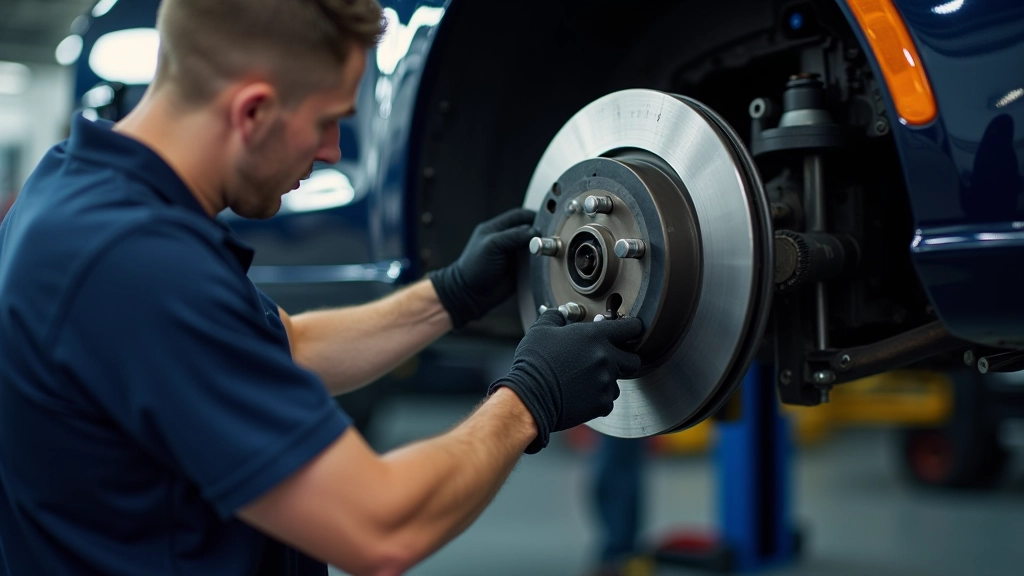
Why Brake Inspection Matters
Your brakes are literally what keep you safe. They're not something you can ignore or put off. Most people don't think about their brake pads until they hear that telltale squealing noise — and by then, you're already running on fumes.
The good news? You don't need a mechanic to check your brake pads. You can inspect them yourself in about 10 minutes. We're going to show you exactly how to do it, what you're looking for, and when it's time to replace them.
Quick Facts
- Most brake pads last 25,000 to 70,000 miles
- Your driving style affects pad lifespan significantly
- Inspection takes 10 minutes, costs nothing
How to Inspect Your Brake Pads
You'll need a jack, jack stands, and a wrench to remove the wheel. Don't skip the safety equipment — brake pads aren't going anywhere if you take proper precautions.
Lift the car safely using a jack and secure it with jack stands. Never work under a car supported only by a jack.
Remove the wheel by loosening lug nuts and pulling the wheel straight toward you.
Look at the brake pads behind the wheel. They're the friction material pressed against the shiny rotor disc.
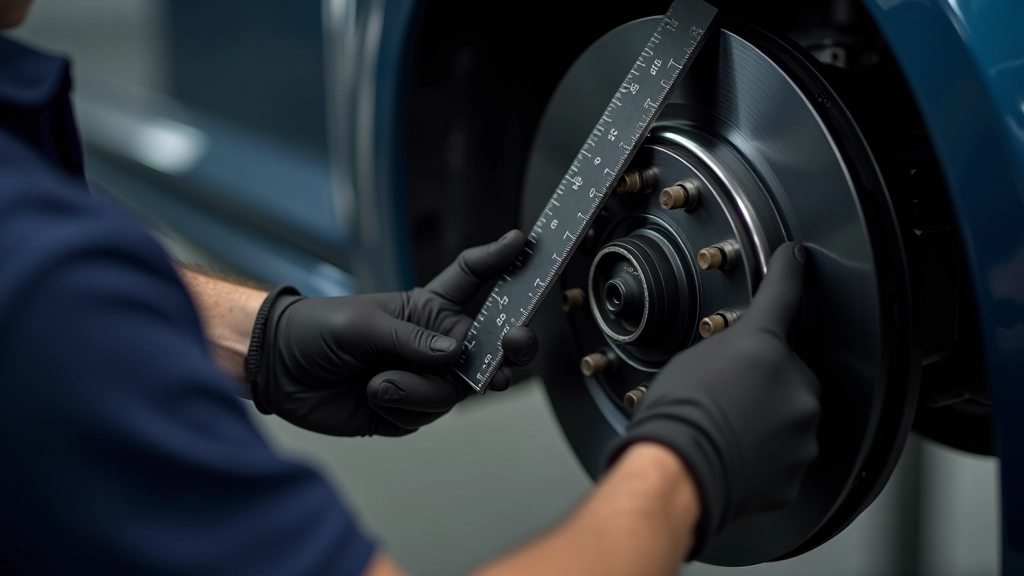
Measure the thickness using a ruler or caliper. You're looking for at least 1/4 inch of material remaining.
What You're Looking For
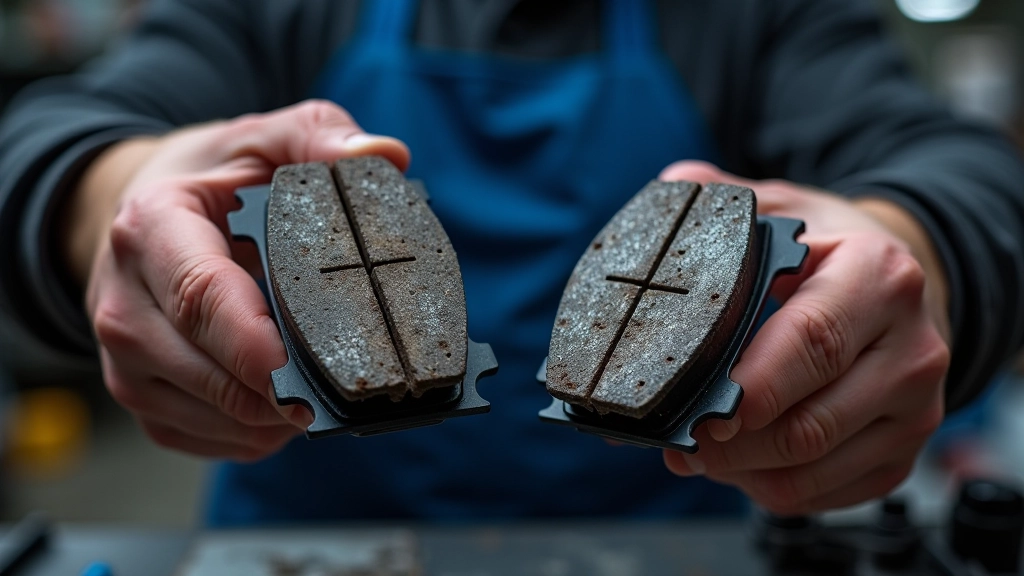
The pad thickness is your main concern. If you see less than 1/4 inch (about 6mm) of friction material, it's time to replace them. You'll also want to check for uneven wear — if one pad is thinner than the others, that's a sign something else needs attention.
Look at the rotor too. It should be smooth and shiny. If it's got deep grooves or looks scarred, that'll need replacement when you change the pads. Don't worry if it's slightly discolored — that's normal heat damage and isn't a problem.
Good Condition
Pads are 3/8 inch or thicker. Smooth rotor. No noise.
Fair Condition
Pads are 1/4 to 3/8 inch. Plan replacement soon.
Replace Now
Pads under 1/4 inch. Visible wear on rotor. Stop driving and replace.

Factors That Affect Brake Pad Life
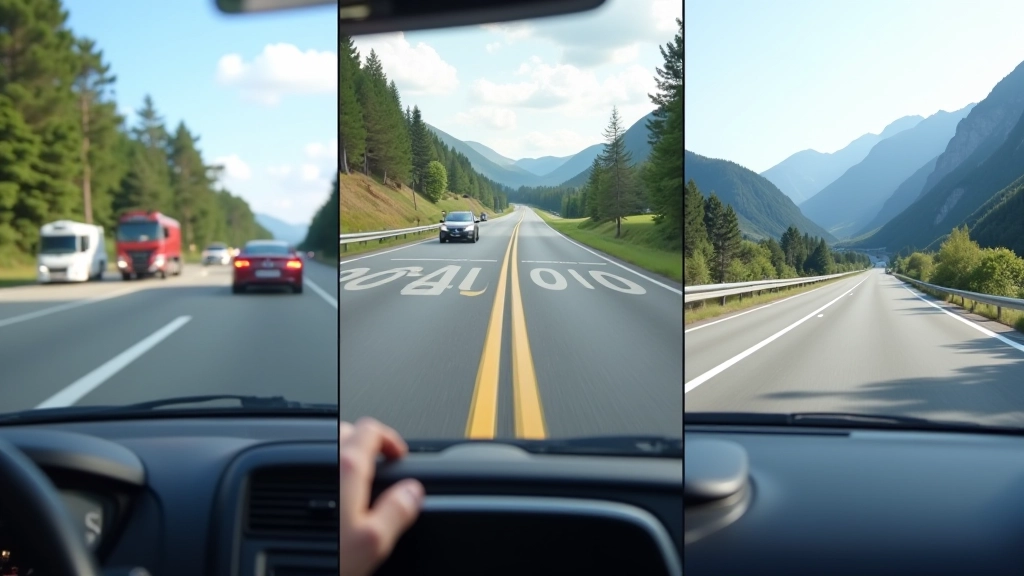
Not all drivers wear out their brake pads at the same rate. If you're doing lots of city driving with frequent stops, your pads will wear faster. Highway driving is gentler on brakes. Mountain roads with constant braking? That'll accelerate wear significantly.
Your driving habits matter too. Aggressive braking wears pads quicker than smooth, gradual deceleration. Riding the brakes downhill is one of the worst things you can do. And yes, the quality of your pads makes a difference — budget pads wear faster than premium ones.
Important Information
This article provides educational information about brake pad inspection. While these guidelines are based on standard automotive practices, individual vehicles may have different requirements. Always consult your vehicle's owner manual for specific brake maintenance intervals and specifications. If you're uncomfortable performing any inspection yourself, or if you notice any concerning brake behavior like soft pedal, pulling to one side, or reduced stopping power, have a qualified mechanic inspect your braking system immediately. Your safety depends on properly functioning brakes.
The Bottom Line
You don't need special training to check your brake pads. Spend 10 minutes every few months looking at them, and you'll catch problems before they become safety issues. The 1/4 inch rule is your guide — when pads get that thin, replacement is coming soon. Don't ignore warning signs like squealing or reduced braking power. Your brakes are too important to neglect.
Regular inspection keeps you safe and saves money in the long run. Caught early, a brake pad replacement is straightforward. Ignored until they're completely worn? That's when you damage the rotors and the repair bill climbs fast. Take 10 minutes. Check your pads. Stay safe.