
Understanding Your Car's Needs
Every vehicle comes with a maintenance manual — that little book in your glove compartment. It's not just for decoration. Inside, you'll find the manufacturer's recommended service intervals. These aren't suggestions. They're based on engineering data and real-world testing.
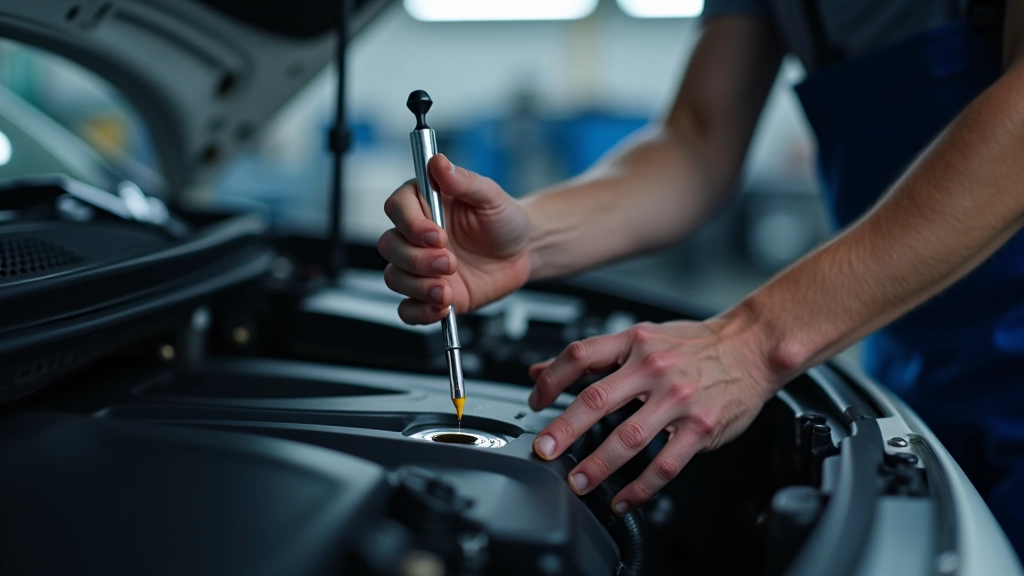
For oil changes, most modern cars need fresh oil every 5,000 to 10,000 miles, depending on the engine type and your driving habits. Brake pads usually last 25,000 to 70,000 miles. But these numbers vary wildly. A car that sits in traffic all day burns through brakes faster than one on the highway.
That's why a personalized schedule matters more than a generic timeline. You've got to know your car, your driving style, and the climate where you live. Hot summers in Telšiai? That affects your brake wear. Lots of city driving? Your brakes work harder.

Quick tip: Check your owner's manual for manufacturer intervals. This is your starting point, not your ending point. Your actual needs might differ based on how you drive.

Creating Your Personal Schedule
Now here's the practical part. You don't need a fancy app or expensive software. A spreadsheet works. A calendar works. Even a notebook works. What matters is that you've got it written down somewhere you'll actually look at it.
Start with your car's last service date. You'll need the mileage. Then add your oil change interval — let's say every 8,000 miles for your engine. That's your first checkpoint. Add another 8,000 miles, that's your second. Keep going until you've mapped out the next year or two.
For brakes, you'll need to check them visually every couple months. They're not like oil — you can't just go by the calendar. But you can write down "inspect brakes monthly" on your schedule as a reminder to actually look at them.
Building Your Schedule in 4 Steps
Find Your Baseline
Pull out your maintenance manual. Write down the manufacturer's recommended intervals for oil changes, brake inspections, and fluid checks. This is your foundation.
Document Current Mileage
Check your odometer right now. Write this down. This is where your schedule starts. You'll calculate future service dates from this point forward.
Map Out Your Intervals
Add your interval to your current mileage. That's your next service date. Keep adding to create a timeline covering the next 12-24 months ahead.
Set Reminders
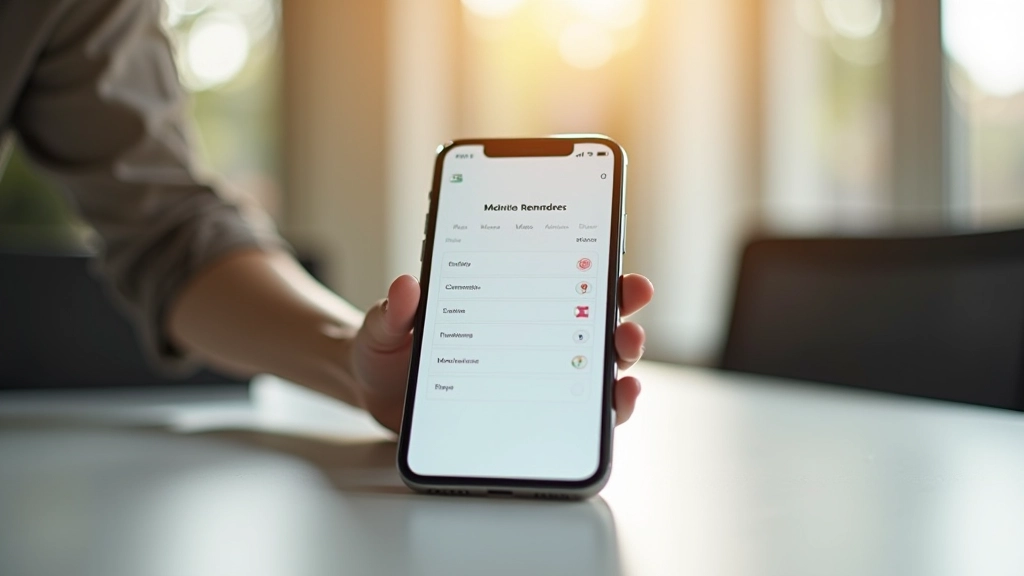
Use your phone's calendar or a simple notebook. Add reminders 500 miles before each service. This gives you time to schedule an appointment without rushing.
Tracking Brake Health Along the Way
Oil changes are straightforward — mileage tells you when. Brakes are trickier because they wear at different rates depending on how you drive. City traffic? Your brakes wear fast. Highway driving? They'll last longer.
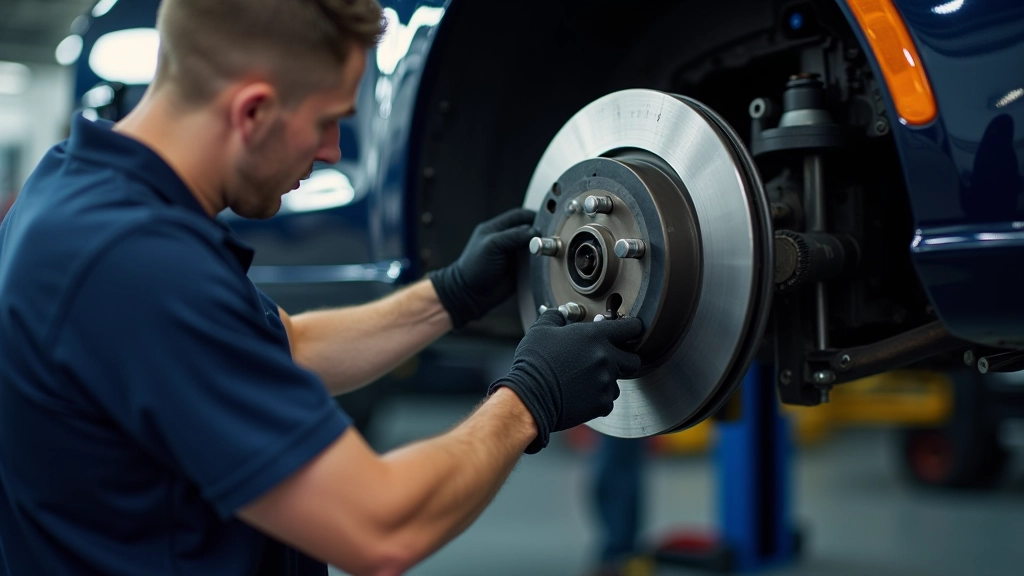
That's why visual inspections matter. Every time you get an oil change, ask your technician to check your brake pads. They'll tell you the thickness — usually measured in millimeters. Most pads start at 10-12mm thick. They're done when they hit 3mm.
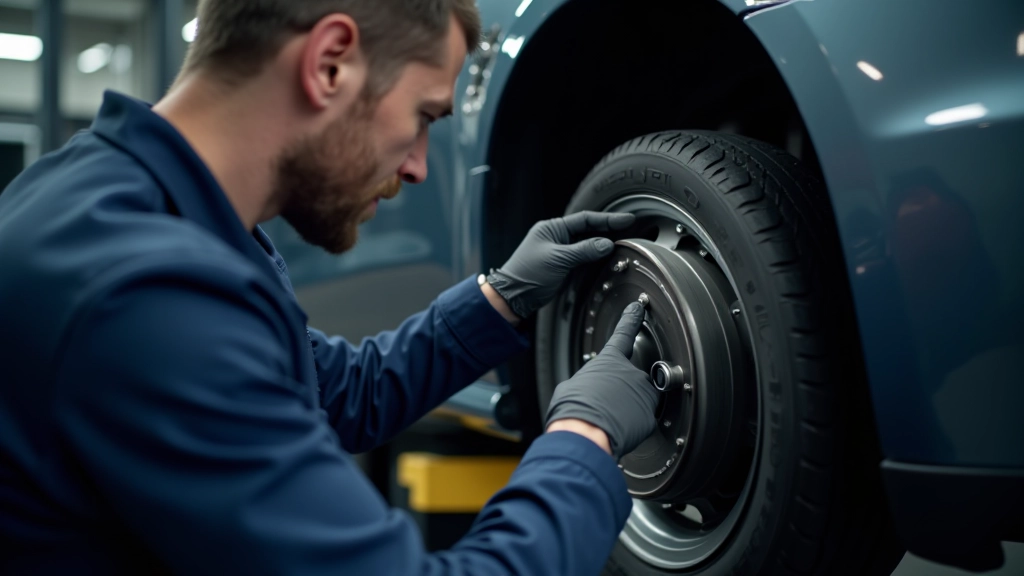
If you're comfortable looking yourself, it's not hard. Remove the wheel, look at the pad thickness through the wheel spokes. If you can't see much daylight between the pad and the rotor, it's time to plan a brake service soon.
Important: This guide provides general maintenance information for educational purposes. Your vehicle's specific needs depend on the make, model, year, and driving conditions. Always consult your owner's manual and a qualified mechanic for your vehicle's exact service requirements. If you're unsure about any maintenance procedure, have a professional inspect your vehicle.
Making It Stick
The schedule only works if you actually follow it. And that means making it easy to remember. Don't just write it down and forget about it. Put reminders in your phone. Write it on your dashboard. Tell your mechanic to remind you.
Some people take photos of their odometer when they get service done. They'll send those photos to themselves as email reminders. Sounds silly? It works. You see that timestamp six months later and you remember: "Oh right, I'm due for an oil change."
The real trick is consistency. You don't need to be perfect. You don't need to be 500 miles early. But you can't let it slide 2,000 miles past. Your engine and brakes will thank you with longer life and better performance.
Your Maintenance Schedule Starts Now
Building a maintenance schedule isn't about becoming a car expert. It's about being responsible with your vehicle. You'll spend less money on repairs. Your car'll run more reliably. And you won't have to stress about whether something's about to break.
Start today. Pull out your manual. Find your current mileage. Write down your first three oil change dates and brake inspection reminders. That's it. You're done. Now you've got a plan that'll keep your car in good shape for years to come.