
Why Oil Changes Matter More Than You Think
Your engine's oil isn't just a fluid that sits in a pan. It's the lifeblood of your vehicle, protecting thousands of moving parts that work together at high temperatures and speeds. When oil breaks down, it can't do its job anymore — and that's when problems start.
We've seen countless drivers ignore the early warning signs, only to end up with a $4,000 engine repair that could've been prevented with a $60 oil change. The difference between a well-maintained car and a struggling one often comes down to one simple thing: knowing when to change your oil.

The Most Important Signs Your Oil Needs Changing
Here's the thing: your car's actually trying to tell you when it needs help. You just need to know what to listen for.
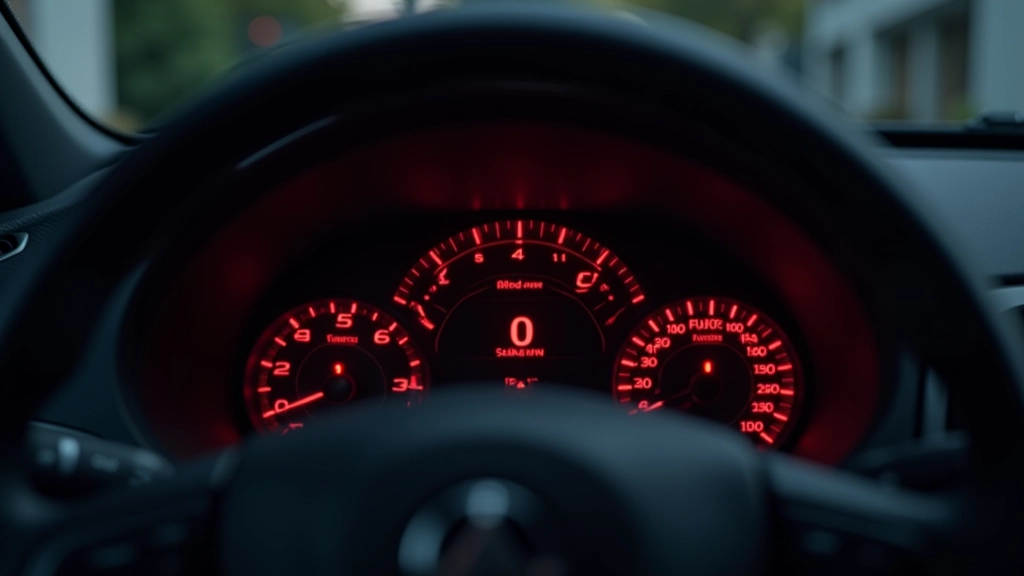
The Oil Warning Light
This is your dashboard's way of saying "we've got a problem." The oil light comes on when pressure drops below safe levels. Don't ignore it for a day or two thinking you'll get to it later. Pull over at the next safe spot and check your oil level. If it's low, top it up. If it's been a while since your last change, schedule an appointment immediately.
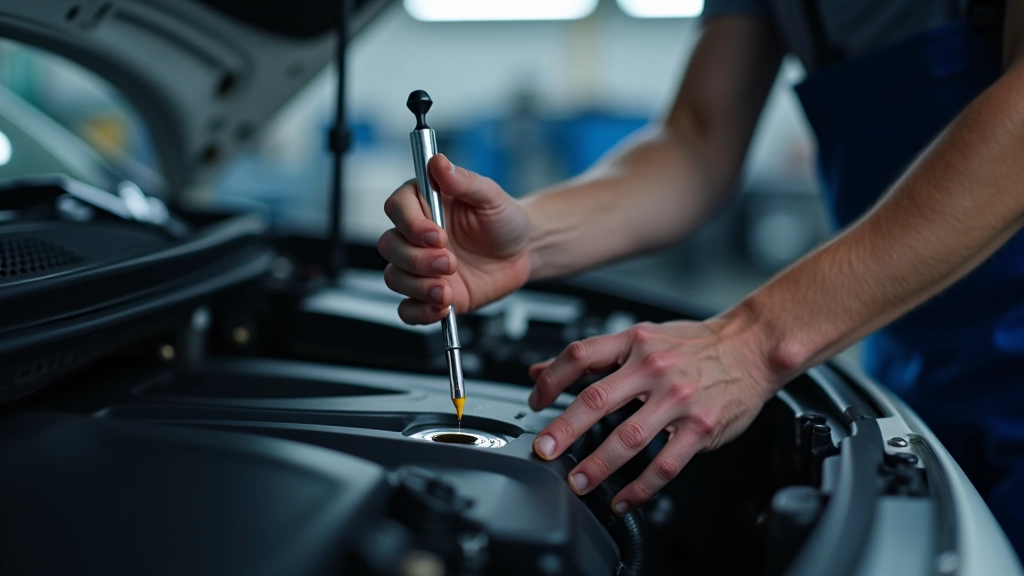
Dark, Dirty Oil on the Dipstick
Fresh oil is amber or light brown. When it's almost black, that's your signal. Dark oil means it's picked up dirt, metal particles, and combustion byproducts. It can't protect your engine anymore. If your oil looks like used coffee grounds, you're overdue for a change.
Rough Idling or Engine Knocking
When your engine's not getting proper lubrication, it starts to struggle. You might notice a rough vibration when you're stopped at a red light, or a knocking sound from under the hood. These sounds mean metal parts are rubbing together when they shouldn't be. This is urgent.
Smoke from the Engine
Blue smoke from the exhaust or any smoke from under the hood means oil is burning. This happens when seals wear out or oil gets too thin and hot. Stop driving immediately and get to a mechanic.
How Often Should You Actually Change Your Oil?
The old rule was every 3,000 miles or 3 months. That's outdated. Modern engines with synthetic oils can go much longer.
Conventional Oil
Every 3,000-5,000 miles or every 3 months, whichever comes first. This is the budget option, and it needs more frequent changes because it breaks down faster.
Synthetic Blend
Every 5,000-7,000 miles or 6 months. It's a middle ground — better protection than conventional, longer intervals than full synthetic.
Full Synthetic Oil
Every 7,500-10,000 miles or 12 months. Premium option that lasts longer and handles extreme temperatures better. What your owner's manual says is the gold standard.
Always check your owner's manual first. Some newer cars are designed for longer intervals. Some older engines or vehicles that tow heavy loads need shorter intervals.


Important Disclaimer
This article is provided for educational and informational purposes only. While we've included practical guidance based on general automotive maintenance principles, every vehicle is different. Always consult your owner's manual for specific maintenance intervals and requirements for your vehicle. If you're unsure about any aspect of vehicle maintenance, consult with a qualified mechanic or automotive technician. The information here isn't a substitute for professional automotive service.
The Bottom Line: Stay Ahead of Problems
Oil changes are one of the simplest, cheapest things you can do to protect your investment. You're not going to win any awards for changing your oil, but you'll avoid headaches and expensive repairs.
Pay attention to the signs your car's giving you. Dark oil, warning lights, rough idling — these aren't suggestions. They're your engine's way of asking for help. And the sooner you listen, the longer your car will run smoothly.
Got questions about your specific vehicle? That's what your mechanic's there for. Get to know them, follow your maintenance schedule, and you'll keep your car running strong for years to come.